Articles
How low emission last-mile delivery helps retailers cut costs
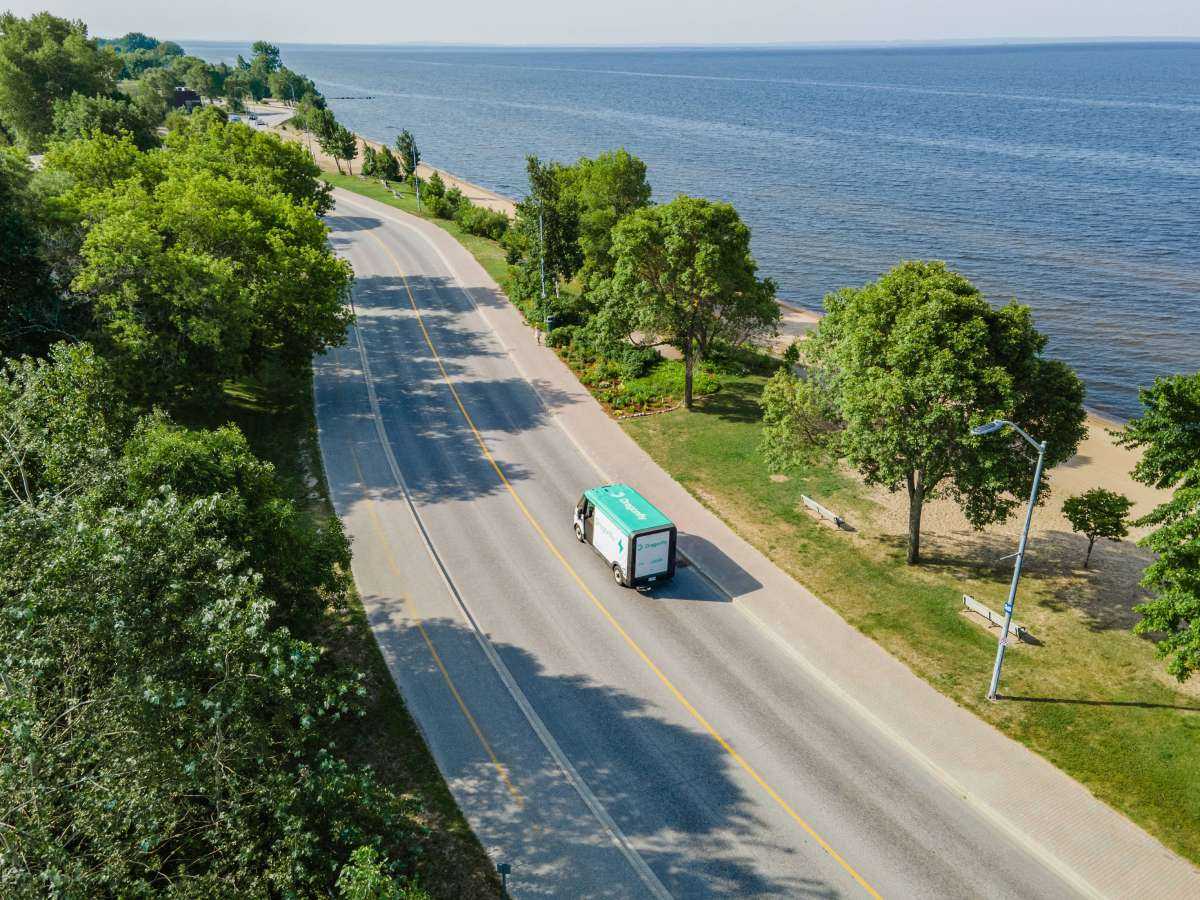
For a long time, low emission last-mile delivery was mainly treated as a branding initiative. Something companies invested in to show customers they cared about their environmental impact.
That still matters, but the conversation has changed.
Today, low emission last-mile delivery is also a financial decision. Retailers are under constant pressure from fuel price volatility, and because last-mile logistics are highly variable due to route structure and delivery frequency, even small shifts in fuel costs can quickly affect margins and forecasting.
At Dragonfly, we see this shift clearly. Retailers are increasingly looking for delivery models that are not just greener, but more stable, predictable, and cost-efficient over time.
Why last-mile delivery is so exposed to cost volatility
Last-mile delivery is built on constant movement. Vehicles are making frequent stops, navigating dense urban routes, and operating in highly variable conditions throughout the day. That makes fuel one of the biggest drivers of cost in the parcel journey.
When fuel prices rise, the impact shows up quickly through higher transportation costs, increased surcharges, and pressure on margins. Forecasting also becomes harder, especially during peak periods when volumes are already high. This is why last-mile is often where cost instability is felt first. It sits closest to the customer, but also closest to operational variability.
How low emission last-mile delivery improves cost stability
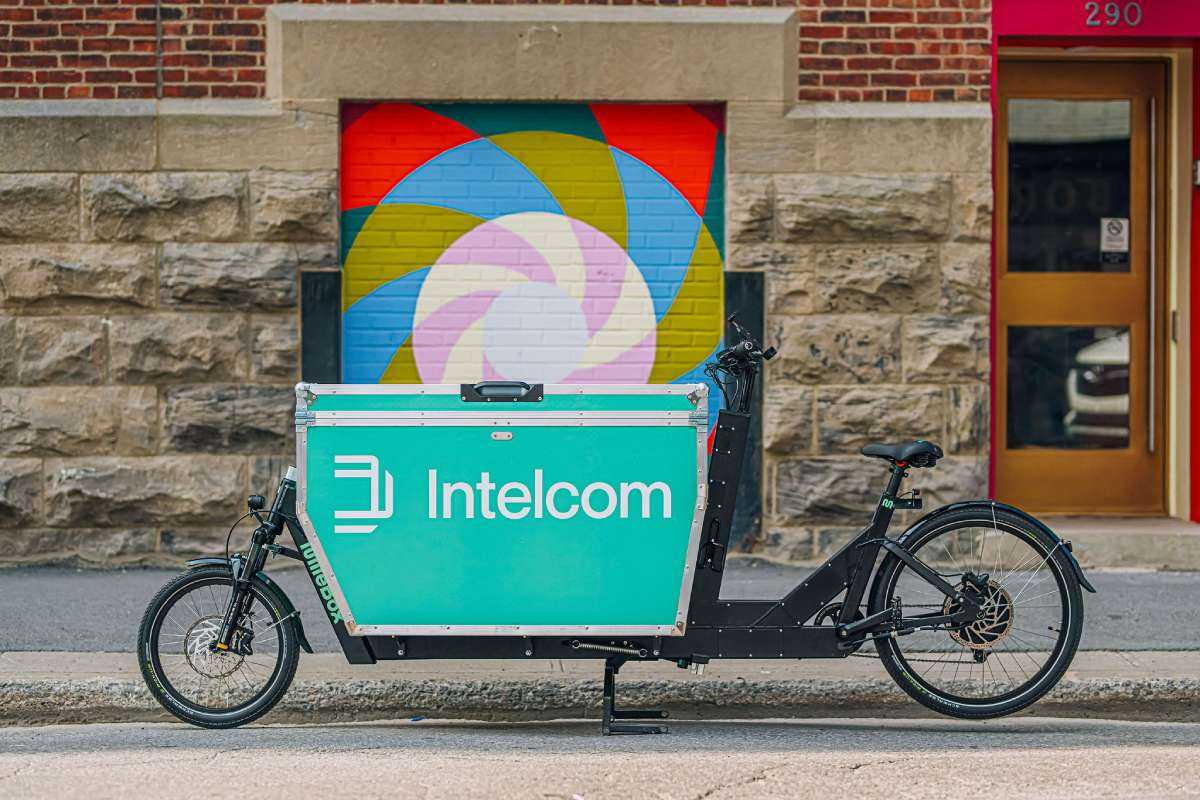
Low emission last-mile logistics is not just about electric vehicles. At its core, it is about removing inefficiencies from the delivery network. That can come from better route optimization, improved delivery density, switching to micromobility (e.g. cargo bikes), or more efficient urban network design. Each of these reduces unnecessary kilometres and lowers dependency on fuel.
In practice, this creates more resilient operations. Delivery costs become easier to predict, budgets are less exposed to fuel spikes, and retailers gain more control during peak seasons. For high-volume omnichannel retailers, that stability often matters more than the sustainability label itself.
The ROI of low emission last-mile logistics
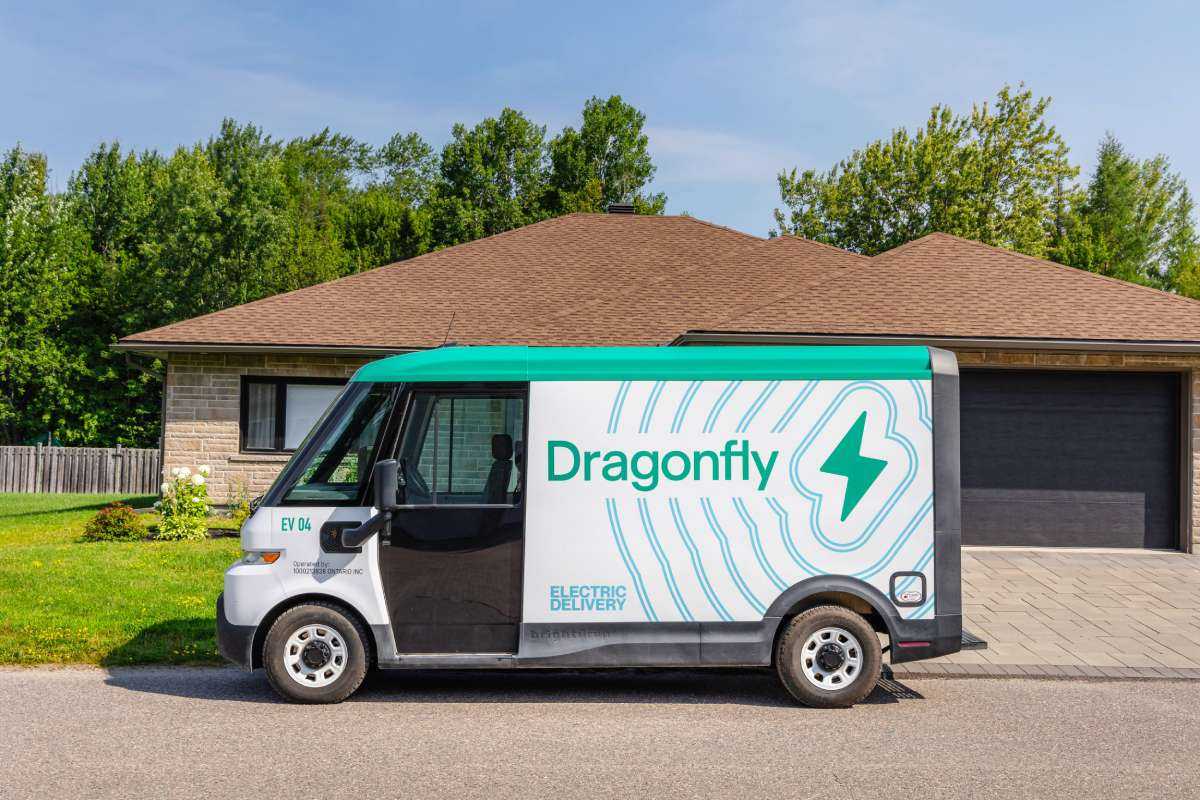
The ROI of low emission last-mile logistics is becoming clearer as carriers scale beyond pilot programs. What used to be seen as an added cost is increasingly understood as a way to improve operational efficiency.
Reducing fuel dependency is part of it, but the bigger value comes from how the network performs as a whole. Better routing reduces wasted mileage. Higher density improves vehicle utilization. Smarter planning reduces failed deliveries and unnecessary loops. Over time, these improvements help retailers protect margins, improve forecasting accuracy, reduce operational inefficiencies, and lower exposure to fuel-related risk.
Urban delivery is where sustainability has the biggest impact
Cities are where low emission last-mile delivery has the strongest impact. Dense delivery zones, shorter distances, and recurring routes create ideal conditions for efficiency gains. This is also where electric vehicles and cargo bikes become most practical. In urban markets, small improvements in routing or density can scale quickly into meaningful cost savings.
At Intelcom, we see this clearly in high-density networks where operational efficiency is often driven more by structure and planning than by vehicle type alone. As cities evolve with tighter congestion rules and environmental expectations, these advantages will only become more important.
Low emission delivery without sacrificing margins
One of the most common misconceptions about low emission logistics is that it increases cost. In reality, it often reduces waste in the system.
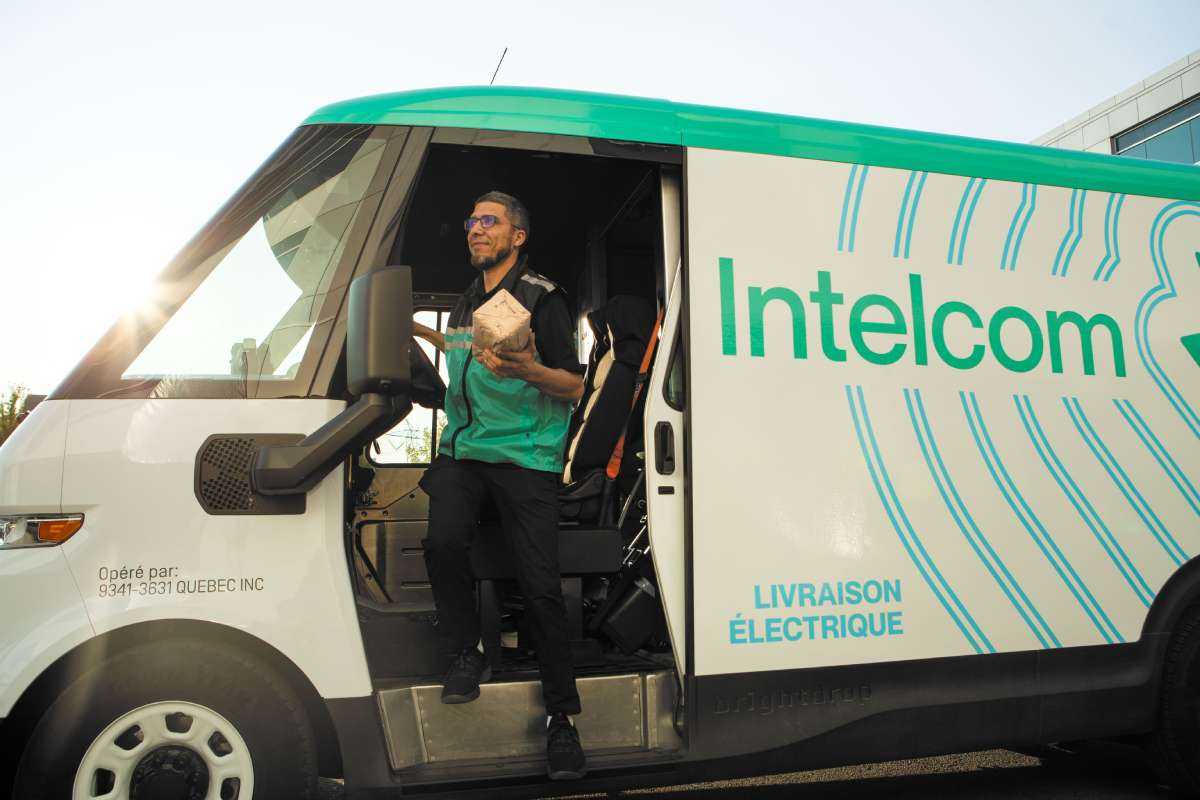
At Intelcom, sustainability is not treated as a premium add-on. It is part of how we design delivery networks that operate efficiently at scale. The goal is not to add cost under the label of sustainability, but to remove unnecessary cost from the system.
For retailers, this means it is possible to reduce fuel exposure, improve operational stability, and lower environmental impact without sacrificing margins or customer experience.
Why this shift matters for retailers
Consumers are paying more attention to how goods move through cities, but the bigger shift is happening inside retail operations. Sustainability is increasingly tied to operational resilience. Retailers are not only thinking about emissions, but also about predictability, reliability, and long-term cost control, while still needing to account for and track their environmental impact in a structured way. This includes having visibility at the shipment level to support their own GHG emissions reporting and carbon accounting.
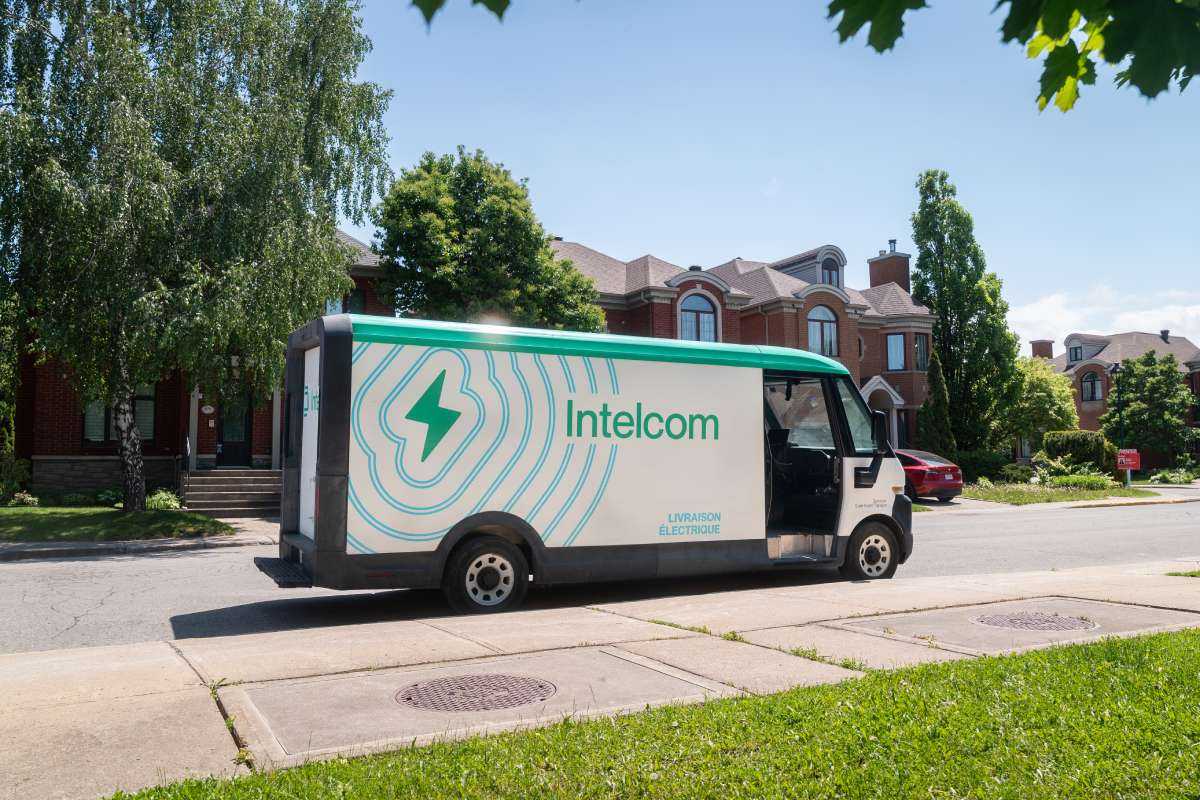
This is where electric last-mile delivery becomes more than an environmental initiative. It becomes a way to build delivery networks that can handle volatility more effectively, while also enabling better traceability of emissions across individual parcels. Providers such as Intelcom support this through detailed shipment-level data, helping retailers integrate logistics emissions into their broader sustainability reporting.
The future of last-mile delivery
The future of last-mile logistics is being shaped by a mix of technology and operational design. We are seeing continued adoption of electric vehicles, smarter route optimization, AI-driven planning, micro-fulfilment strategies, and cargo bike networks in dense urban areas.
But the more important shift is structural.
Retailers are starting to view low emission logistics not as a separate initiative, but as part of how efficient delivery systems are built from the start. As fuel volatility continues and urban density increases, the link between sustainability and financial performance will only become stronger.
Final thoughts
Low emission last-mile delivery is no longer just about reducing emissions or improving brand perception. It is about building delivery networks that can better absorb fuel volatility, operate more efficiently, and provide more predictable costs over time.
For retailers managing urban delivery, omnichannel fulfillment, or high-volume distribution, it is increasingly becoming one of the most practical ways to improve financial stability while strengthening operational performance.
And in that context, sustainability is not a trade-off. It is part of how modern last-mile delivery becomes more efficient, more resilient, and more economically sound.